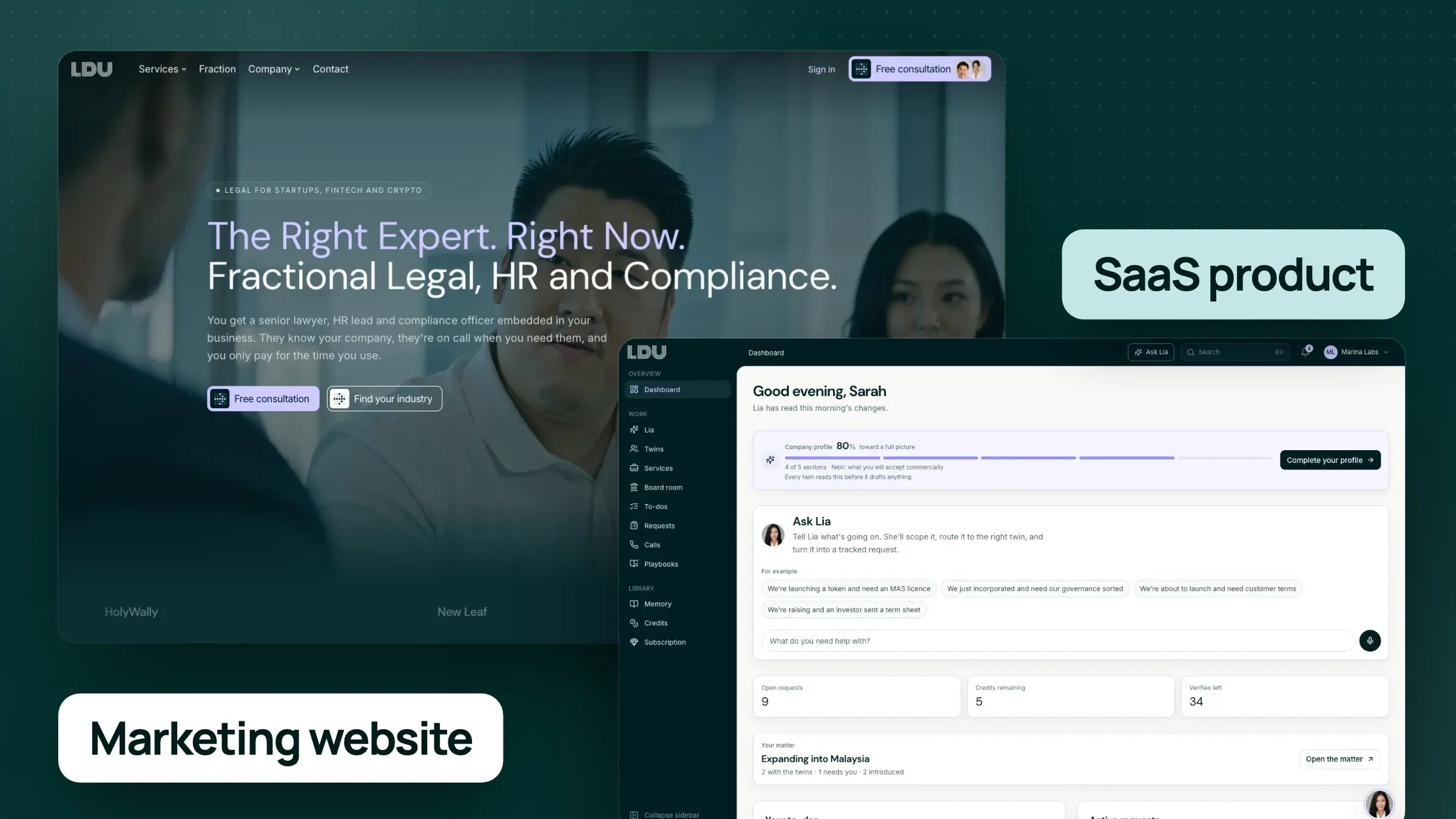
A SaaS marketing website costs $1,000 to $3,000 if you need something basic that does the job, and $5,000 to $10,000 if it has personality, more pages and a real funnel behind it. Past $10,000 you are negotiating a fully branded site with custom animation. The SaaS product itself is a different budget that starts at $10,000 at the very least.
I'm Milan. I design and build marketing websites and product front ends myself, so those bands come from my own work. They apply to marketing websites for SaaS companies and for local businesses alike. I also read the pages Google ranks first for this question, and I'll say where they agree with me and where they don't.
Prices here are in US dollars. In euros they come out about 10% lower at the October 2026 rate. Location moves them more than currency does: in the US you can ask a lot more for the same work than in Europe or Asia.
Are you pricing a website or a product?
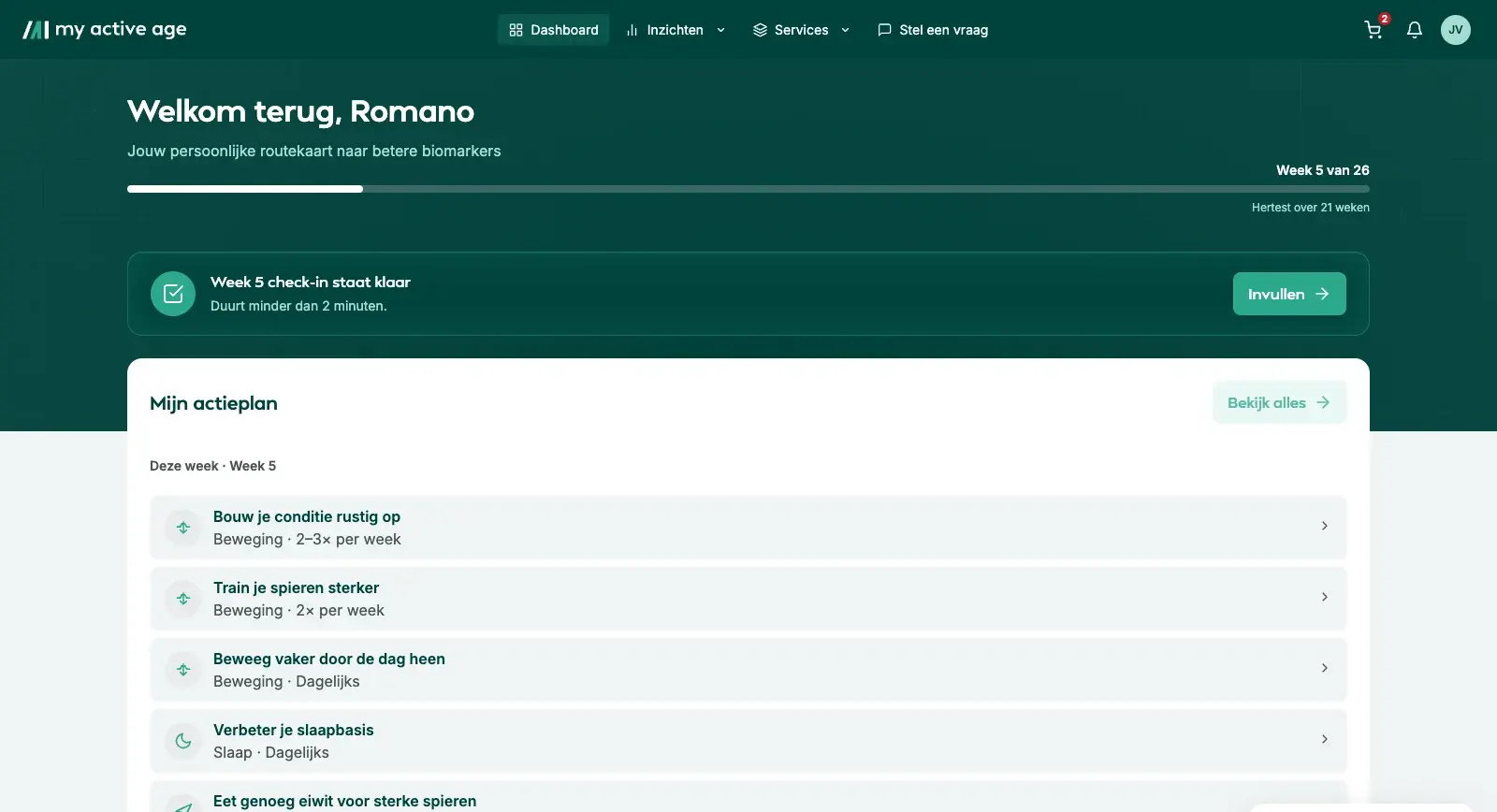
These are two projects with two budgets. The website is what a visitor reads before signing up: the homepage, product pages, pricing, case studies and a blog. The product is what they log into afterwards: accounts, dashboards, data and billing.
Most results for this search mix them up. Of the eleven I read, nine are really about the cost of building the product, so you can land on a six-figure number while shopping for a ten-page site. A SaaS product starts at $10,000 at the very least, and from there the price depends on which features you want built and how complicated they are. Check which one a quote covers before you compare it to anything.

What each marketing website budget buys
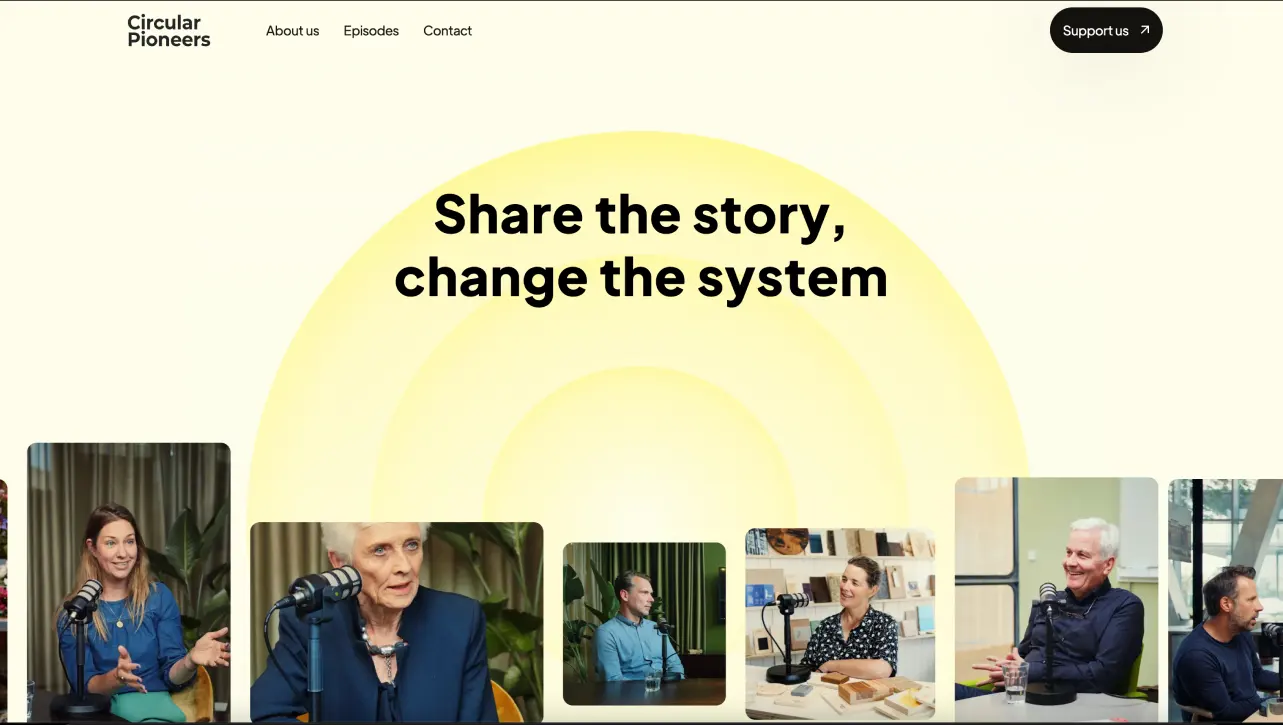
$1,000 to $3,000 gets you a basic marketing website. It can do the job well, but it won't look unique and there is no real visual design behind it.
$5,000 to $10,000 is where a site gets personality. It focuses on conversion, has more pages that bring in organic visitors through SEO, and sits inside a real funnel that is used to increase sales.
Past $10,000 you need to negotiate what you actually want. Usually that means a purely branded website with very unique styling, impressive animation and graphics.
Why other guides give different numbers
Published prices for the same thing are far apart. For a mid-size custom marketing site, Project Cost Estimator says $4,000 to $12,000, Clio Websites says $12,000 to $24,000 and Qrolic says 15,000 to 30,000. Qrolic's table prints no currency, and elsewhere its guide mixes dollars and euros.
None of the three shows the projects behind its figure, and most pages on this subject are selling the work they price. Project Cost Estimator is the closest to what I see. Treat every published number as a starting point, mine included, because the price really depends on what you ask for.
| Source | Low | High |
|---|---|---|
| Project Cost Estimator | $4,000 | $12,000 |
| Me | $5,000 | $10,000 |
| Clio Websites | $12,000 | $24,000 |
| Qrolic | 15,000 | 30,000 |
What pushes the price up
Scope moves the number more than anything else, so write down what you need now before you talk to anyone. After that, a quote grows with the number of pages, custom design instead of a template, copywriting, animation, integrations such as a CRM, and SEO work, including redirects if you are moving an existing site.
Copy is the line people forget. Clio puts professional content at $1,000 to $5,000 or more, and a design and build quote may not include it.
Templates on Webflow, Framer or WordPress cost less and ship faster. Project Cost Estimator argues that a cheap template is enough until you have paying users, which fits what I say further down about not building things too early.
Who should build it
There are four routes, and Clio is the one page that prices all of them for a marketing site: $150,000 to $300,000 or more a year for an in-house team, $3,000 to $50,000 or more for an agency, $3,000 to $15,000 or more for a freelancer and $2,000 to $8,000 or more for a no-code build. In-house gives you the most control. A freelancer is cheaper, but you do the managing. No-code tools are quick until you hit their limits. An agency costs more upfront and needs less of your time.
I work as one person who designs and builds, so there is no handover between a designer and a developer, and the site and the product come from the same hands.
What you pay after launch
The build is not the whole bill. Clio puts monthly upkeep at $250 to $3,000 or more for hosting, maintenance and ongoing improvements. Platform fees, a CMS licence and any retainer all recur.
Some costs sit outside the quote altogether. Qrolic lists copywriting, images and screenshots, legal and consent work, SEO migration, your own team's time and support after launch. Assume none of it is included unless the proposal says so.
Qrolic's illustrative example shows how fast this adds up. A Series A company with a $40,000 build reaches $82,200 in the first year once $1,200 of platform fees, $5,000 of copy and $36,000 of retainer over nine months are in.
How long it takes, and what AI changed
Qrolic plans about 6 to 12 weeks for a SaaS marketing website. The front end is where that has changed most for me.
Designers used to spend about a month just making something in Figma. Now I can take a day to redesign a design system that is already optimized, so it looks far more striking. I generate a plan for the build and share what the features will be on each page. In 3 to 5 days there is a solid front-end foundation and a real prototype to test.
You can skip Figma entirely. A SaaS product can now be built in weeks, depending on how advanced it is.
What AI did not make cheaper
The foundations are still hard, and tweaking the UX and UI is what takes the most time. Skipping Figma doesn't skip the designer. You still need real guidance from someone who knows UX and UI, and that is what most people lack. Many developers lack it too.
Anybody can create a website now. Claude can make something basic and generic. What it won't do on its own is make it fully work, convert, look good, look unique, track analytics and get published. Websites get made a lot faster, but making one that reaches the user's goals still takes skill.
How to compare two quotes
Send every vendor the same written scope, then compare line by line. Qrolic suggests at least three itemised quotes. Ask which pages are in the price, how many revision rounds you get, who writes the copy, who owns the code and design files afterwards, and what recurs every month. The most useful question is what the quote leaves out.
Be careful with one lump sum and no breakdown, no limit on revisions, nothing about ownership, and a price far below the others for similar scope.
Check who carries the risk as well. On an hourly deal every extra hour is billed, so a project that runs long costs you more. On a fixed fee, the overrun comes out of the designer's margin.
The biggest waste of money
It's designing things that don't need to be designed yet. Adding things has become so easy that teams keep adding and never launch, so they never test the one solution to the one problem they set out to fix. They end up building solutions to problems that don't need solving yet, and every addition moves the deadline further out.
Most ways of saving money come down to the same thing: launch fewer pages, add the rest in phases, and cut scope before you cut quality. Then put analytics on it. None of the pages I read shows conversion or payback data for a SaaS website, so your own numbers are the only proof you'll get.
What I charge
I don't publish my fee. You get it in writing with your plan, so you don't need to book a call to see it.
It's a fixed fee for a marketing site and a product front end, designed and built by me and live in four weeks. If it isn't live and the delay is mine, I keep working and I don't invoice the second payment. The full guarantee is on my pricing page, and my case studies show the work.
I wrote this from my own notes with help from Claude, and checked every outside number against the page it links to. The screens in the header are from work I built for LDU. Prices as of October 2026.